
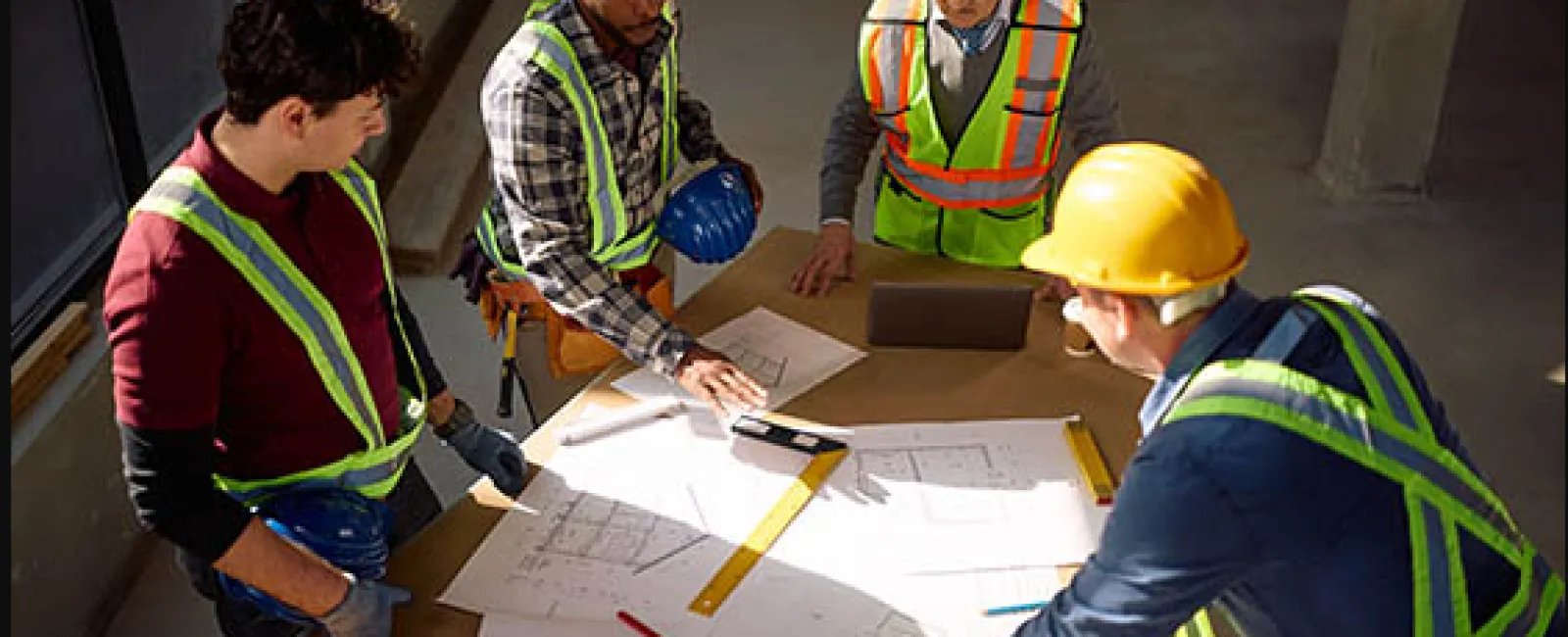
For many small and midsize construction companies, a diversified mix of project delivery methods can serve as a "secret sauce" for business success. One approach that has been around for decades but is drawing increased attention is Construction Manager at Risk (CMAR). It essentially brings the contractor into the building process earlier than traditional methods do, potentially offering more input into project planning and execution. However, with added involvement comes greater responsibility and risk.
Work starts early
Sometimes referred to as Construction Manager as Constructor,
CMAR engages the contractor early in the project. It also typically makes the
construction company responsible for delivering the job under a guaranteed
maximum price (GMP). Generally, if costs exceed the GMP for reasons not covered
by approved changes or other contract adjustments, the contractor bears that
risk. This approach places additional pressure on job costing accuracy, cost
control and cash flow planning throughout the project life cycle.
In keeping with its name, CMAR establishes the contractor as the
construction manager during the design and planning phases. This involves
working with the project owner and designer to develop the budget and schedule.
The construction business also reviews building plans, prepares initial
schedules, advises on materials availability and estimates costs as the design
takes shape. During construction, it transitions to general contractor. Because
financial performance is closely tied to early estimates, aligning
preconstruction budgets with project accounting is critical.
Not quite the same
CMAR is similar to the design-build delivery method, with one
big difference: The contractor doesn't assume the design obligation and then
subcontract it out to a consultant. Instead, the project owner offers two
contracts — a design contract with an architect and a CMAR contract with the
construction company.
During the CMAR preconstruction phase, the contractor typically
provides advisory and estimating services while the design is still being
developed before
assuming full construction risk under the GMP. After the contractor submits a
GMP proposal and the owner accepts it, those terms are added as an amendment to
the CMAR agreement, making the contractor responsible for delivering the
project.
Pluses and minuses
Your construction business may benefit from signing on to a CMAR
contract in various ways. For starters, the GMP can provide greater pricing
clarity at the outset of a project. Second, early involvement allows you to
provide design input and ensure the job is feasible, reducing the risk of
delays and disputes. Third, you may become the owner's primary point of contact
for construction-phase coordination. This can help streamline communication and
cultivate a positive business relationship.
Naturally, there are risks. As mentioned, your business is on
the hook for costs beyond the GMP. So, it's critical to estimate costs
accurately and watch for unanticipated events that could increase expenses.
Common pressure points include labor cost escalation, materials price
volatility, supply chain disruptions and change order disputes — all of which
can erode margins if not proactively managed.
Also, sometimes the other parties to a CMAR contract bring in
the contractor late, undermining the construction company's ability to weigh in
on the design. To reduce this risk, try to negotiate involvement as early as
possible and clarify in the contract when you'll begin providing
preconstruction input and reviewing design decisions.
In the driver's seat
CMAR can offer meaningful advantages to construction businesses
prepared to take a more active role in planning, coordinating and controlling
projects. But the allure of a GMP must be weighed carefully against the
financial exposure that comes with sitting in the driver's seat. We'd be happy
to help you evaluate whether this delivery method would make financial and
operational sense for your construction company if the opportunity comes along.